वो शोख शोख नज़र सांवली सी एक लड़की जो रोज़ मेरी गली से गुज़र के जाती है सुना है वो किसी लड़के से प्यार करती है बहार हो के, तलाश-ए-बहार करती है न कोई मेल न कोई लगाव है लेकिन न जाने क्यूँ बस उसी वक़्त जब वो आती है कुछ इंतिज़ार की आदत सी हो गई है मुझे एक अजनबी की ज़रूरत हो गई है मुझे मेरे बरांडे के आगे यह फूस का छप्पर गली के मोड पे खडा हुआ सा एक पत्थर वो एक झुकती हुई बदनुमा सी नीम की शाख और उस पे जंगली कबूतर के घोंसले का निशाँ यह सारी चीजें कि जैसे मुझी में शामिल हैं मेरे दुखों में मेरी हर खुशी में शामिल हैं मैं चाहता हूँ कि वो भी यूं ही गुज़रती रहे अदा-ओ-नाज़ से लड़के को प्यार करती रहे
जब मैं कानून के पास जाता हूँ तो बकरी को कानून चर जाता है
जब वो कानून के पास जाते हैं तो कानून को बकरी चर जाती है.
वो कहते हैं, मुल्क़ में सब बराबर हैं, क्यूंकि दोनों वाक्यों में 'कानून' और 'बकरी' सामान रूप से उपस्थित हैं. आप भी आईएएस की प्रिपरेशन कीजिये जम्हूरियत के कोनों से लिखी किताबें डिप्लोमेट बना देंगी और आप चाशनी लगा के झूठ को ढाँपना सीख जायेंगे.
----
तुम्हें किताबों में लिखता अगर तो
सबकी हो जाती तुम
डायरी में लिखा इसलिए,
और वो डायरी खो गई घर बदलते.
खो गई तुम!
किताब बनाना बेहतर था,
फिर तो खरीद पाते.
--
एक शेर था,
दूसरा शेर था,
बाकि जंगल था
'न किसी पे ज़ुल्म, न किसी पे किसी का हक़' वाला.
कुछ दिन एक शेर जंगल पे राज करता
कुछ दिन अगला.
कुछ दिन एक शेर छुपे चुपके जानवर खाता
कुछ दिन अगला.
जंगल का मोटो था-
राजा प्रजा है,
प्रजा राजा है.
न कोई मरेगा, न कोई मारेगा.
लेकिन
न एक शेर दूसरे को जानवर खाने से रोकता
न दूसरा शेर पहले को जानवर खाने से रोकता.
इस तरह राज चलता रहा
जंगल में सौहार्द बना रहा.
प्रजा राजा की रही
राजा प्रजा का रहा.
मरे जानवर
कुछ खुद को दांत गढ़ा मर गए,
कुछ सांप्रदायिक दंगो में मर गए.
घोषित किये जाते रहे.
लोकतंत्र बचा रहा.
डेमोक्रेसी शेरों द्वारा
'मेनिपुलेटिंग पीपल फॉर आउन बेनिफिट'
के अलावा क्या है?
Conclusion of TPP with the major countries like USA, Canada, Mexico, Japan, Vietnam, Chile, Australia etc., shows the changing patterns of global trade based on multilateral agreements. It accounts for nearly 40% of the global GDP comprising major powerhouses of the world.
Reasons for opposing TPP: 1) TPP includes obligations on 'new issues' such as labour, investment, environment, e-commerce, competition and government procurement. All these are the favourable steps for developed countries mitigating the interests of the developing countries. 2) TPP will lead to proliferation of private standards which are heavily tilted towards the interests of developed countries. 3) Strict implementation of intellectual property regime that is being practiced in advanced countries. This will obstruct the exemptions given to developing countries in TRIPS agreement, and thus, their economies. 4) Clauses like 'Rule of Origin' seriously obstructs the trade among the members and non-members of the TPP. 5) It is being criticised for building alternative global trade regime bypassing WTO regulations and threatening its relevance as a whole. 6) Unilateral ideation and declaration and lack of transparency in functioning. 7) Strict domain of USA creates loss of flexibility and decision making of developing countries.
India's stance: 1) What if India does not join TPP: > India might witness diversions in trade and foreign investments and decline in the outsourcing services from India. > The rules like 'Yarn forward rule' and 'Rule of Origin' rules our inclusion of any other countries outside that of the trade agreement for availing duty preference, which in turn makes India in-competitive. > Hurt market access benefit and have an adverse impact on other products such as processed food, heavy manufacturing, crops, sugar, vegetables, fruits etc. > Companies might be interested in reaping benefits of an open and inviting market of TPP member countries.
2) What if India joins TPP > Chances of India experiencing export gains, but in the longer run. > Countries with which India has signed FTA's may not suffer trade disadvantage. > India's output may also increase lending the employment generating sectors like textile, leather, fish, dairy etc. > Mandate of high global standards of TPP makes Indian companies to adopt new technologies and makes them efficient and reduce carbon footprint in the economy. > However, suffers from ever-greening of patents and delay the entry of generic medicines.
3) Safeguards for India > Concluding bilateral agreements and multilateral agreements like Broad Based Trade and Investment with EU, RCEP, SAFTA etc. > High degree of preparedness and smart coalition-building with like-minded allies to bring violations of TPPs trade practices against WTO regulations to the the dispute settlement mechanism. > Identifying trade interest areas and propose alternative negotiating templates like bio-piracy, protection of traditional knowledge as per TRIPS and CBD etc.
Whatsoever, the time has ripen for India to enhance its capabilities by way of infrastructural development and cost effectiveness of India's products to make them competitive in the global markets.
Newly launched Namami Gange incorporates significant new and
innovative implementation elements to clean & protect Ganga :
1) People-centred : Unlike previous schemes, it has brought
the people living on river's banks, ULBs & PRIs under the main
implementing machinery.
2) Projects Approvals : Now all the ministries such as
Environment, Shipping, Urban development, Tourism etc have been working with
the nodal ministry i.e. Water Resource ministry.
3) Shift in tackling Pollution : Treatment of waste,
industrial effluents,drains to be tackled through Bio-remediation, in-situ
treatments, innovative technologies, sewage and effluent treatment plants. In
addition, more professional approach by including PPP and SPV (special pupose
vehicle) has been taken.
However, the approach still fails to understand the actual
problem on several counts :
1)Fragility of the region : Programme has completely failed
to address the fragility of the region thereby reflecting a norrow approach to
tackle problem.
2)Flow of the river : Programme has not showed seriousness
towards resolving the reduction of Flow of Ganga river as there is still
trade-off between irreversible damaging development projects and cleaning
Ganga.
3) Industrial Norms : Programme has not taken hard on
polluting industries by imposing strict effluent norms.
4) Mindset : still remains the same - Ganga is a holy river
and it has self cleansing property.
In my view following more needs to be done :
1) Permitting only environment benign projects so that they
would have replacable rather irreversible damage.
2) Polluting industries should be encouraged to use treated
municipal waste water.
3) In the upper fragile region, no construction or
developmental activity should be permitted.
So, we need to look the problem in a holistic way to
sucessfully resolve it rather in a peicemeal manner.
===========
One key difference is use of technology like SMS based
pollution level monitoring, coordination with ISRO Bhuvan. Amd here the focus
is also on treating the tributaries of Ganga and not Ganga alone.
But we need to have dams to provide power and so we must
shift to a holistic framework with blend of hydro and other sources like
nuclear, solar, etc.
20k crore budgetary outlay for 5 years.
But no special focus on biodiveristy and fragile ecology
while we comfortably wish for nirmal and aviral dharaa.
Plans of govenrment to make villages along thr bank as open
defecation free by 2022 and tp raise 4 bataalions of eco task force.
Upper reaches of the river, due tk being religiously sacrosanct,
attracts a lot of tourism and developmental activities, which must be limited.
Intrrnational best practices like Thames, Rhine, etc must be
studied as well.
And whete is the crirical analysis? Plesse dont be so
diplomatic in your answer.
1. Differences over ministries regarding hydro powrr
projects.
2. No clear directiin or roadmap for the project snd SC had
chided the government over the same.
3. Large sums spent but no attitudinal changes in people.
4. We give incentives for treatment of wastes, sewage but
not invoke strict polluter pays principle.
5. Poor administrative and logistics support during events
like Kumbh Mela
Earlier
GDP was computed keeping 2004-05 as base year however in 2014 it was revised to
2011-12. This change is hugely debated questioning the credibility of the GDP
numbers. Nonetheless GDP numbers do not capture the real state of the economy,
New series of GDP calculation is improvement upon the old series and in any
case the new series is comparable to international series. The new methodology
is more consistent than the previous one.
Policy
makers are conscious enough of the fact that real GDP numbers do not capture
the state of the economy and also devising plans and policy which are actually
required.
Employment
generation:
Employment
generation is the biggest concern of the economy right now. Even though India
is the fastest growing economy in the world the situation on the employment
front is dismal. There is a demand of 8 million jobs every year but we are able
to generate only half a million, which is a tremendous backlog on employment
front. Reasons for it is technological obsolescence-because of which lots of
jobs are going out, second is labour laws, and third is skill issue.
It is
pertinent with respect to India that it learns few lessons from china model of
growth in which it not only grew at 8-10 % for 30 years, but also created
employment at the same time. India needs to learn from china on how capital
intensive industry can evolve in terms of creating more jobs.
People
are getting educated like never before in last decade. It is now the duty of the
state to guide young generation by skilling them to meet the demands of
contemporary global skill gap.
On the
rural side it is necessary to address variety of issues that are creating a
potential problem in employment generation. The issues like MSP, Climate change
,MGNERGA wages etc needs to be dealt in a sensible way so that the employment
is not displaced to urban areas cresting whole set of new problems. It is very
important to address these issues to say that growth rate of GDP and employment
generation are going in tandem.
In the light of the European Council’s Convention 108, discuss the concept and importance of data privacy, the measures needed to ensure privacy in this digital age.
Convention 108 is the first legally binding international treaty that protects right to privacy of individuals.Data privacy is defined as appropriate use of data.It is the relationship between collection of data,technology,the public expectation of privacy and the legal and political issues surrounding them.Thus,data privacy implies data security
IMPORTANCE-
1.Data privacy gains important in the wake of Fourth Industrial Revolution which is marked by velocity,scope and system impacts where transfer of even minutest data at speed of light across globe is possible.
2.It is important to protect the right of privacy of a person who has reposed immense faith upon an organisation/govt.
3.Its importance further lies in the budding of cyber threats and terrorism where defaulter can be an individual/country/or any organisation.
4.Ethically,data privacy tests the character of an organisation which try to win the trust of public.
MEASURES REQUIRED-
1.make right to privacy fundamental right and at international level include it in Universal declaration of human rights.
2.All policy documents at national and international level should deal with security and privacy standards.
3.Educate the users about their choices and importance of data privacy.
4.Strict laws and measures to punish the defaulters at national and international level and make organisations responsible for the breaching of data privacy
5.In India,Implement the recommendations of AP Shah committee including choice,notice,consent,openness and accountability etc,recognising multiple dimensions of privacy and technology and amend IT Act 2002
6.Using data encryption standard can also help
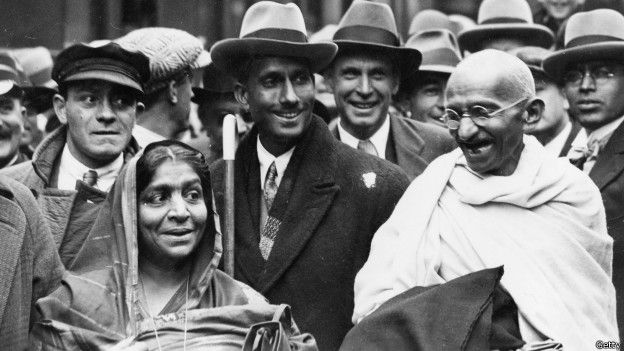
गांधी से ख़ुद को जोड़ने की कोशिश करने वाले ज़्यादातर लोग राजघाट तो जाते हैं लेकिन बिड़ला भवन नहीं, क्योंकि वहां जाने के मायने हैं उस व्यक्ति की हत्या से रूबरू होना जिसे राष्ट्रपिता कहा जाता है.
या जैसा एक लेखक ने कहा, बिड़ला भवन में एक प्रेत रहता है. हम उसका सामना करने से घबराते हैं. वह किसका प्रेत है?
गांधी की हत्या को उचित मानने वालों की संख्या कम नहीं है और वे सब राष्ट्रीय स्वयंसेवक संघ, हिंदू महासभा या शिव सेना के सदस्य नहीं हैं.
पढ़िए पूरी रिपोर्ट
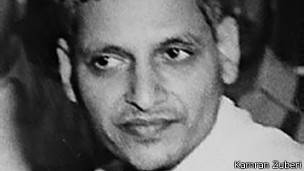
Image copyrightKamran Zuberi
एक बार राष्ट्रीय नाट्य विद्यालय में एक सभा में इस हत्या का जिक्र करने के बाद एक श्रोता ने सुझाव दिया कि इस हत्या की आलोचना करते वक्त दूसरे पक्ष के तर्क को नज़रअंदाज नहीं करना चाहिए.
विद्यालय के एक कर्मी ने पास आकर बहुत शांति से पूछा कि क्या मैंने इस पर कभी सोचने की ज़हमत उठाई है कि नाथूराम गोडसे जैसे सुशिक्षित व्यक्ति को यह क़दम उठाने की ज़रूरत महसूस क्यों हुई?
“आखिर कुछ सोच-समझकर ही उन्होंने यह क़दम उठाया होगा !”
Image copyrightAP
एक घनिष्ठ संबंधी ने मुझसे इस पर विचार करने को कहा कि गांधी की सारी महानता के बावजूद यह तो क़बूल करना ही होगा कि अपने अंतिम दिनों में वह जो कर रहे थे वह एक नवनिर्मित राष्ट्र के हितों के लिहाज़ से घातक था.
जब पाकिस्तान भारत के ख़िलाफ़ आक्रामक कार्रवाइयों में लगा था, गांधी जिद बांधकर उपवास पर बैठ गए थे कि भारत पाकिस्तान को अविभाजित देश के ख़जाने से उसका हिस्सा, पचपन करोड़ रुपये देने का अपना वादा पूरा करे. यह किसी भी दृष्टि से क्षम्य नहीं हो सकता था.
गांधी को समाप्त करना एक राष्ट्रीय बाध्यता बन गई थी क्योंकि यह अनुमान करना कठिन था कि जीवित रहने पर अपनी असाधारण स्थिति का लाभ उठाते हुए भारत सरकार को वे कहां-कहां मजबूर करेंगे कि वह राष्ट्रहित के ख़िलाफ़ फ़ैसला करे. आखिर सरकार उनके शिष्यों की ही थी!
Image copyrightAP
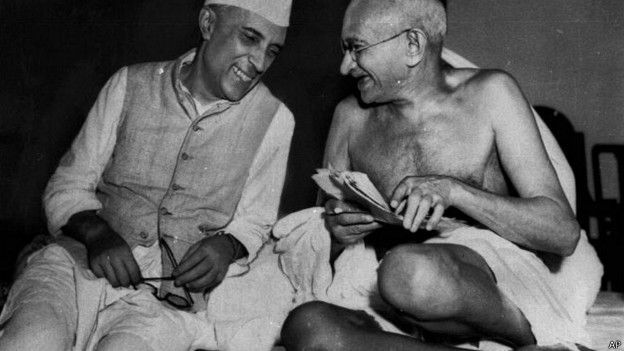
गांधी की उपस्थिति और उनका जीवन अलग-अलग लोगों के लिए अलग-अलग दृष्टि से असुविधाजनक था. उनके प्रति नाराज़गी उनके अपनों में भी थी.
अपने पक्के गांधीवादी अनुयायियों की जगह, जो धार्मिक भी थे, उन्होंने एक ‘नास्तिक’ जवाहरलाल नेहरू को स्वतंत्र भारत का नेतृत्व करने के लिए अधिक उपयुक्त पाया था.
उनके इस निर्णय के लिए आज तक गांधीवादी उन्हें क्षमा नहीं कर पाए हैं.
साम्यवादियों की समस्या यह थी कि ग़रीबों की मुक्ति का दर्शन तो उनके पास था लेकिन वे ख़ुद गांधी के पास थे.
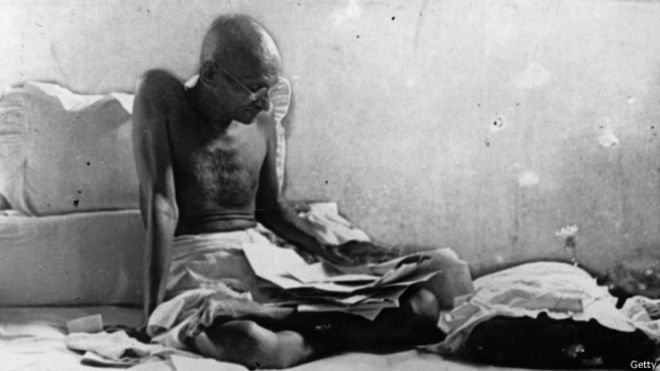
Image copyrightGetty
इसके लिए वे गांधी की पारंपरिक भाषा और मुहावरे को ज़िम्मेदार मानते थे जो सामान्य जन को उनके अंधविश्वासों के इत्मीनान में रखकर एक लुभावना भ्रमजाल गढ़ती थी.
क्रांतिकारी समझ नहीं पाते थे कि जनता यह क्यों नहीं समझ रही कि वे कहीं अधिक कट्टर साम्राज्य विरोधी हैं और गांधी के बहकावे में क्यों आ जाती है.
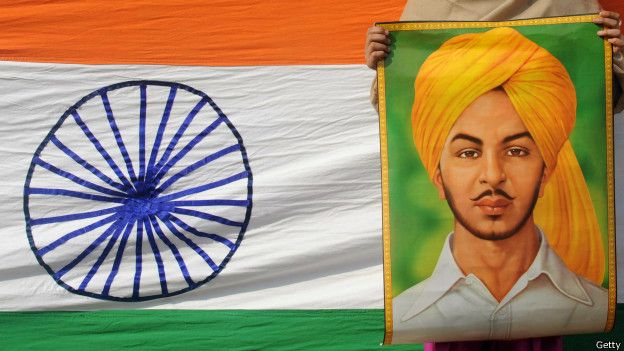
यह बात कुछ-कुछ भगत सिंह ने समझने की कोशिश की थी. उनके लेखन से इसका आभास होता है कि अगर वह जीवित रहे होते तो संभवतः उनका गांधी से संवाद कुछ नई दिशाएं खोल सकता था लेकिन भगत सिंह की फांसी के लिए भी गांधी को ही जवाबदेह माना जाता है.
Image copyrightGANDHI FILM FOUNDATION
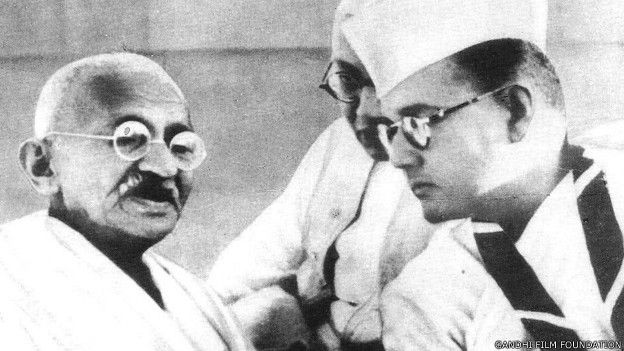
गांधी को सुभाष चंद्र बोस का अपराधी भी माना जाता है.
गांधी की अहिंसावादी राजनीति ने समझ लिया था कि बोस में ऐसे रुझान थे जो उन्हें आखिरकार हिटलर और जापानी नेता हिदेकी तोजो के करीब ले गए. यह बात तो तरुण भगत सिंह ने भी लक्ष्य कर ली थी और वह भी 1928 में.
समाज के निरक्षर, गरीब, नीच जाति के लोगों को सर चढ़ाने के लिए ज़मींदार और उच्च जाति के लोग गांधी से यों ही खफ़ा थे.
Image copyrightGetty
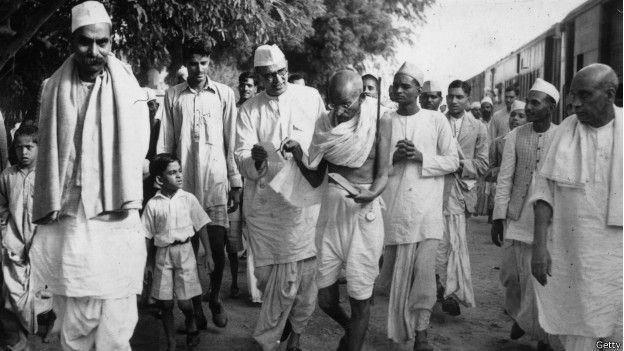
गांधी ने राजनीति को और राज्यकर्म को संपन्न और अपनी सामाजिक स्थिति के कारण शिक्षित समुदाय के कब्जे से कुछ-कुछ आज़ाद कर यह साबित कर दिया था कि सिर्फ मनुष्य होना ही काफी है.
गांधी से न तो पूरी तरह हिंदू खुश थे और न मुसलमान, ख़ासकर दोनों के संपन्न और ऊंचे तबके.
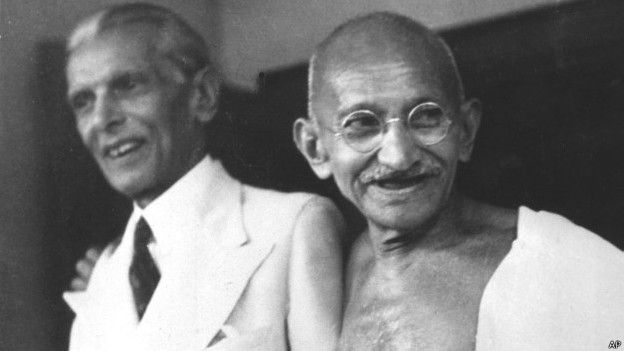
यह बात अधिकतर लोगों के ध्यान में नहीं कि हिंदू राष्ट्र का नारा देने वाली हिंदू महासभा और इस्लामी राष्ट्र का परचम बुलंद करने वाली मुस्लिम लीग को एक दूसरे के साथ मिलकर सरकार बनाने में उज्र न था.
Image copyrightAP
लेकिन दोनों ही समावेशी राष्ट्रीयता के गांधीवादी सिद्धांत का नेतृत्व स्वीकार करने को तैयार न थे.
आखिरकार गांधी के समावेशी राष्ट्रीयता के आग्रह ने उन्हें ऐसे तमाम लोगों की निगाह में अपराधी बना दिया जो एक धर्म के आधार पर एक साफ़-सुथरी राष्ट्रीय पहचान चाहते थे.
गांधी यह ज़िद करके कि हिन्दू-मुसलमान-सिख-ईसाई या अन्य मतावलम्बी साथ-साथ बराबरी से रह सकते हैं, सब कुछ धुंधला कर रहे थे.
गांधी के इस कृत्य के लिए उन्हें माफ़ करना मुश्किल था इसलिए जिस व्यक्ति ने भी उन्हें मारा हो, उसने एक साथ अनेक लोगों की शिकायत पर अमल किया.
Image copyrightGetty
तभी तो उस मौत पर एकबारगी सदमा तो छा गया लेकिन फिर हत्या की उस विचारधारा के साथ उठने बैठने, हँसने-बोलने में हमने कभी परहेज नहीं किया.
इसीलिए हम बिड़ला भवन जाते नहीं; डरते हैं, कहीं वह प्रेत हमारी पीठ पर सवार न हो जाए !
The World Health Organization is convening an emergency committee on Monday to decide if the Zika virus outbreak should be declared an international health emergency.
At a special meeting on Thursday in Geneva, WHO Director-General Dr. Margaret Chan said the virus — which has been linked to birth defects and neurological problems — was “spreading explosively.”
Chan said although there was no definitive proof that the Zika virus was responsible for a spike in the number of babies being born with abnormally small heads in Brazil, “the level of alarm is extremely high.” She also noted a possible relationship between Zika infection and Guillain-Barre syndrome, which can cause temporary paralysis.
“The possible links, only recently suspected, have rapidly changed the risk profile of Zika from a mild threat to one of alarming proportions,” Chan said.
Zika virus was first detected in 1947 and for decades only caused mild disease. But Chan noted that “the situation today is dramatically different.” According to the US Centers for Disease Control, the Zika virus is now in more than 20 countries, mostly in Central and South America.
Chan cited four main reasons why WHO is “deeply concerned” about Zika: The possible link to birth defects and brain syndromes, the prospect of further spread, a lack of immunity in populations in the newly affected areas and the absence of vaccines, treatments or quick diagnostic tests for the virus.
Still, convening an emergency committee does not guarantee that a global emergency will be declared — WHO has held 10 such meetings to assess the Middle Eastern respiratory syndrome coronavirus and no emergency has been announced.
Declaring a global emergency is akin to an international SOS signal and usually brings more money and action to address an outbreak. The last such emergency was announced over the 2014 devastating Ebola outbreak in West Africa; polio was declared a similar emergency the year before.
Marcos Espinal, WHO’s director of infectious diseases in the Americas region, said Brazil is conducting studies to determine if there is scientific evidence that Zika virus causes birth defects and neurological problems. He said they are hopeful Brazil may have data to share in a couple of months.
Brazil’s Zika outbreak and the spike in microcephaly have been concentrated in the poor and underdeveloped northeast of the country, though the prosperous southeast, where Sao Paulo and Rio de Janeiro are located, are the second hardest-hit region. Rio de Janeiro will host the Aug. 5-21 Olympic games.
Earlier this week officials in Rio ramped up their fight against the mosquitoes that spread Zika, dispatching a team of fumigators to the Sambadrome, where the city’s Carnival parades will take place next month.
There is no specific treatment or vaccine for Zika, which is related to dengue — scientists have struggled for years to develop a dengue vaccine but have failed to create an effective shot so far.
- See more at: http://indianexpress.com/article/world/world-news/un-to-decide-if-zika-virus-is-a-global-health-emergency/#sthash.bqr9bgom.dpuf