Monday, March 16, 2015

टुकड़े

इस शहर में तेरी आत्मा बसती है
तू नुक्कड़, चौराहे हंसती दिखती है.
-*-

हौसलों की बारिश में कोई कमी नहीं
बाप के काँधे हैं, माँ की दुआयें हैं.
-*-

कौन कहता है रौशनी अच्छी लगती है,
तेरे बगैर सहर कोहरे में डूबी लगती है.
-*-

मेरे मुक़द्दर मुझसे बस एक वफ़ा करना,
उस बेवफा को मुकम्मल घर अदा करना.
-*-

मियाँ इस तरह से अजीबो-गरीब शे'र न पढ़ा करो
ग़ालिब, फैज़ की मिलकियत पे वाज़िब हक़ अदा करो.
-*-

मैं वारिस हूँ फैज़ का मुझे लूटोगे क्या,
मेरा हर नगमा तुम्हारी जुबाँ पे बिखर जायेगा.
-*-

तुम्हारे फेंके पत्थरों का शुक्रिया,
मैंने सीढ़िया बनाई औ' आसमां छू लिया.
-*-

प्यास लगे तो तुम मेरा वजूद पी लेना,
माँ ने कहा था पानी साफ़ पीना चाहिए.

"Why do we even try? When the barriers are so high, and the odds are so low? Why don't we just pack it in and go home? It'd be so, so much easier...

It's because in the end, there's no glory in easy. No one remembers easy. They remember the blood, and the bones, and long, agonizing fight to the top. And that, is how you become legendary
" - Grey's Anatomy, Season 11, Episode 14. 


Sunday, March 15, 2015

मुनि श्री क्षमासागर जी की रचनाएँ


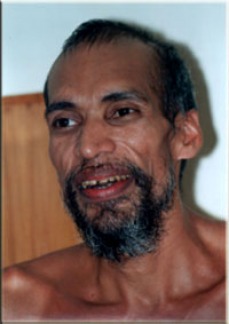
मुनि श्री क्षमासागर जी एक प्रसिद्ध दिगंबर जैन संत थे, जो हाल ही में ब्रह्मलीन हुए हैं. उच्च शिक्षित, भूगर्भ विज्ञान में एम. टेक. साधु जो ताउम्र शिक्षा को बढ़ावा देते रहे और बच्चों को उच्च शिक्षा के लिए प्रोत्साहित करते रहे. वे सिर्फ एक बड़े विद्वान ही नहीं प्रखर वक्ता और एक बहुत अच्छे कवि भी थे. उनकी कुछ रचनाएँ आप यहां भी पढ़ सकते हैं. कुछ और रचनाएँ...


Wednesday, March 11, 2015

अब किसानों के बच्चे चपरासी ड्राईवर नहीं बनेंगे | क़स्बा | Ravish Kumar

तो भूमि अधिग्रहण कानून लोकसभा में पास हो गया। अब किसानों के बच्चे चपरासी ड्राईवर नहीं बनेंगे। केंद्रीय मंत्री वीरेंद्र सिंह ने कहा कि 70 प्रतिशत किसानों के पास बहुत छोटे आकार की ज़मीन है। वह कहीं भी जाता है तो सिफारिश करता फिरता है कि मेरे बेटे को चपरासी ड्राईवर, कंडक्टर या पुलिस में लगवा दो। किसानों को भी आगे बढ़ने का मौका मिलना चाहिए। कांग्रेस सहित विरोधी दल 50 साल से किसानों को टुकड़े तो डालती रही है ताकि वे मरे नहीं, लेकिन इन्हें आगे बढ़ने का मौका मत दो। दूसरी तरफ विरोधी ठीक उल्टा आरोप लगा रहे थे कि ये बिल किसान विरोधी है। इससे किसान बरबाद हो जाएंगे।
इन दो ध्रुवों में बंटी बहस के बाद भी लोकसभा में भूमि अधिग्रहण संशोधन का प्रस्ताव बहुमत से पास हो गया। लोकसभा में केंद्रीय मंत्री चौधरी बीरेंद्र सिंह ने अपने भाषण से सबको हंसाया भी और विरोधियों को छकाया भी। कांग्रेस ने एक बार ज़रूर सोचा होगा कि इस नेता का हमने समय रहते क्यों नहीं इस्तेमाल किया। इतनी सी तारीफ सिर्फ उनकी भाषण शैली और बोलते हुए माहौल बनाने के लिए की है।
बिल में आए बदलाव से विपक्ष कितना संतुष्ट हुआ और किसान कितना खुश हुए ये आने वाले दिनों में साफ होता जाएगा। सरकार के पास संख्या की कमी नहीं थी फिर भी विपक्ष के सुझावों के आधार पर नौ संशोधनों को शामिल किया गया। विपक्ष के पास संख्या तो नहीं थी, मगर उसे सवाल उठाने का मौका ज़रूर मिला।
चौधरी बीरेंद्र सिंह ने बार-बार ज़ोर देकर समझाया कि अधिग्रहण सिर्फ सरकार करेगी और सरकार के लिए ही होगा। वह इस धारणा से लड़ रहे थे, अधिग्रहण कॉरपोरेट के लिए किया जाएगा। अब नए बिल में कितना किसान के लिए है और कितना कॉरपोरेट के लिए धीरे-धीरे पता चलेगा, जब सब एक-एक प्रावाधन का अध्ययन करेंगे।
उन्होंने कहा कि इंफ्रास्ट्रक्चर के प्रावधान को कॉरपोरेट के लिए बताया जाता है, मगर इसमें तो सिंचाई और सड़क जैसी परियोजनाएं भी होती हैं। सोशल इंफ़्रास्ट्रक्चर को ‘मंज़ूरी न लेने वाले सेक्टर’ से बाहर कर दिया गया है। प्राइवेट स्कूल या अस्पताल के लिए कोई अधिग्रहण नहीं होगा। इंडस्ट्रीयल कॉरिडोर को भी साफ-साफ परिभाषित किया है कि राष्ट्रीय राजमार्ग या रेलवे लाइन के दोनों तरफ एक-एक किलोमीटर ज़मीन का ही अधिग्रहण होगा। किसानों को अपने ज़िले में शिकायत या अपील का अधिकार होगा। बंजर ज़मीनों का अलग से रिकॉर्ड रखा जाएगा और विस्थापित परिवार के कम से कम एक सदस्य को नौकरी। अब यह साफ नहीं कि नौकरी किस स्तर की होगी, क्योंकि चौधरी बीरेंद्र सिंह ने कहा कि किसान इतना लाचार है कि वो अपने बच्चों को चपरासी और ड्राइवर लगवाने के लिए सिफारिश करवाता रहता है। उम्मीद है उसकी ज़मीन पर बनी कंपनी या प्रोजेक्ट में उसे अच्छी नौकरी मिलेगी। वैसे ड्राइवर और चपरासी की नौकरी का भी सम्मान किया जाए तो अच्छा है। वैसे भाषा की यह समस्या हम न्यूज़ एंकरों में कुछ कम नहीं है।
यह साफ नहीं है कि बहुफसली ज़मीन या उपजाऊ ज़मीन का अधिग्रहण होगा या नहीं। लोकसभा में मतदान के दौरान कुछ विपक्षी सदस्य संशोधन का प्रस्ताव लाए मगर बहुमत न होने के कारण यह गिर गया। सामाजिक अध्ययन के प्रावधान को लेकर काफी बहस हुई थी। केंद्रीय मंत्री ने कहा कि इसे राज्य सरकारों पर छोड़ दिया गया है। जो राज्य सरकार चाहेगी वह करा सकती है।
कांग्रेस के सांसद दीपेंद्र हुड्डा ने कहा कि सरकार नए बिल में शामिल करे लेकिन उनका प्रस्ताव गिर गया। केंद्रीय ग्रामीण विकास मंत्री बीरेंद्र सिंह ने लोकसभा में कहा कि पहले तो बंजर ज़मीन का ही सर्वे होगा और एक बैंक बनेगा। अगर बंजर ज़मीन किसी प्रोजेक्ट के लिए काम आ सकती है, तो बहु फसली ज़मीन या उपजाऊ ज़मीन का अधिग्रहण नहीं होगा।
बंजर ज़मीन के बैंक बनाने का सुझाव संघ समर्थक किसान संगठन का था। क्या वाकई अधिग्रहण के कारण विकास की योजनाएं अटकी पड़ी हैं। मोदी सरकार दावा करती रही है कि यूपीए के इस कानून के कारण कई प्रोजेक्ट फंस गए हैं। उनके पास ज़मीन नहीं है, लेकिन हमारे सहयोगी श्रीनिवासन जैन की रिपोर्ट तो कुछ और कहती है।
श्रीनिवासन ने सरकार से जानने का खूब प्रयास किया कि कौन से प्रोजेक्ट रुके हैं, उनकी सूची मिले लेकिन कोई नतीजा नहीं निकला। उद्योग जगत के एक बड़े समूह की एक सूची ज़रूर मिली है, जिसमें 1000 करोड़ के अटके प्रोजक्ट को शामिल किया गया है। 67 ऐसे प्रोजेक्ट में से सिर्फ सात प्रोजेक्ट ही भूमि अधिग्रहण के कारण रुके पड़े हैं। इनकी साझा लागत 53,677 करोड़ ही है। यानी पूरे निवेश का सिर्फ 13 प्रतिशत। सितंबर 2013 में भूमि विवाद के कारण सिर्फ 12 प्रोजेक्ट में ही बाधा आई थी। इनमें से दो सड़क और दो पावर प्रोजेक्ट में कुछ गति भी आई है।
श्रीनिवासन की रिपोर्ट के अनुसार यह लिस्ट बताती है कि प्रोजेक्ट रुकने के कई कारण हैं। जो सात प्रोजक्ट रूके पड़े हैं उनमें से छह सड़क परियोजनाएं हैं। 60 प्रोजेक्ट पूंजी की कमी से लेकर कई अन्य कारणों के कारण अटके हुए हैं। भूमि अधिग्रहण को खलनायक बताना ठीक नहीं है।
चौधरी बीरेंद्र सिंह ने कहा कि अगर अदालत के आदेश के कारण प्रोजेक्ट शुरू होने में पांच या सात साल लग जाते हैं। तो उस पांच साल को निकाल कर आगे के पांच साल में अगर प्रोजेक्ट शुरू नहीं होता है तो ज़मीन लौटानी होगी। यानी अदालती अड़चन में लगे समय को निकालने के बाद जो पांच साल बचता है उसमें प्रोजेक्ट को पूरा करना होगा। कांग्रेस ने सरकार के एक भी संशोधन को स्वीकार नहीं किया है। विपक्ष ने मांग की है कि इस बिल को स्टैंडिंग कमेटी में भेजा जाए।
सरकार की सहयोगी शिवसेना ने मतदान में हिस्सा नहीं लिया। शिवसेना का विरोध राज्य सभा में परेशानी में डाल सकता है। एआईएडीएमके, अकाली दल ने मोदी सरकार का साथ दिया। बीजेडी टीआरएस और कांग्रेस ने सदन से वॉकआउट किया।
सरकार ने यहां तक तो अपनी प्रतिबद्धता दिखा दी। इसे अब राज्य सभा में पास होना है, जहां सरकार का बहुमत नहीं है। लेकिन क्या नए संशोधन से सारे सवालों के जवाब मिल जाते हैं, जो किसान संगठनों की तरफ से उठाए जा रहे थे। क्या किसानों के अच्छे दिन आ जाएंगे?

Copied from Ravish Kumar's blog. Original: http://naisadak.org/ab-kisanon-ke-bacche-chapraasi-driver-nahi-banenge/

बापू हमें क्षमा करना

वैसे तो तुम्हारे बारे में करनी चाहिए
ढेर सारी बातें
ढेर सारे अच्छे कर्मों का जिक्र
औरत, अछूत और कोड़ियों के लिए किये तुम्हारे काम,
विशाल नेतृत्व शक्ति
सहृश्णता, प्रेम और अखंडता की कोशिशें
और आज़ादी.
लेकिन हम करते है बातें-
जिनमें कहीं तुम 'सेक्स-एडिक्ट' होते हो,
ब्रह्मचर्य के एक्सपेरिमेंट करते हो
या अग्रेजों के एजेंट दिखते हो.
क्यूंकि हम जो हैं वैसे ही दूसरे को देखते हैं,
अपनी नज़र से अपने जैसा खोजते हैं
और हमारी निम्न बुद्धि निम्नता तक ही जाती है.
हम जो हैं वैसा ही तुम्हें बनाना चाहते हैं.
लेकिन ये अबोधता नहीं है.
लाख कोशिशों बाद इस जन्म तो आपकी परछाई तक न बन पाएंगे.
इसलिए ये हमारी कुंठा है, कुड़न है.
फिर भी,
बापू हमें क्षमा करना.

Saturday, February 28, 2015

Roll The Dice : Charles Bukowski


"अग़र कुछ करना है 
तो कर डालो 
वरना शुरू भी मत करना  !

 अग़र कुछ करना है 
तो कर डालो 
भले ही तुमसे छूट जाए
तुम्हारी  प्रेमिका 
या पत्नी 
या नौकरी 
या फ़िर तुम्हारा दिमाग  

लेकिन तुम कर डालो  !


हो सकता है 
तुम कुछ खा भी न पाओ 
कई दिनों तक 
सर्दी में ठिठुरते रहो 
बाहर किसी बेंच पर 
जेल भी जाना पड़े शायद 
सहना पड़े  उपहास 
सहने पड़े लोगों  के ताने 
और अकेलापन  । 

अकेलापन एक उपहार है 
और बाकी सब परीक्षा है 
तुम्हारे धैर्य की 
और  तुम्हारे जूनून की  
कि  तुम किस हद तक जाओगे 
ऐसा कर डालने के लिए । 

और तुम कर जाओगे 
लोगों के साथ बिना भी 
तमाम  रुकावटों  के बाद भी 
तुम कर जाओगे  उसे 
किसी भी और चीज़ से बेहतर । 

अग़र कुछ सोचा है करने को 
तो  पूरा करना ज़रूर 
उसके जैसा कोई एहसास नहीं । 

और जब तुम  बढ़ जाओगे आगे 
तो पाओगे  अपने चारों तरफ़
आग से चमकती रात 
लेकिन तुम आगे बढ़ना 
तुम करना, तुम करना , पूरा हासिल करना 
छोड़ना नहीं कहीं बीच में । 

जब  पूरा कर लोगे  वो 
जो सोचा था 
उस  भरपूर ख़ुशी के बीच 
लड़ना होगा तुम्हें 
असली युद्ध ! " 


English Original :

"If you’re going to try, go all the way. Otherwise, don’t even start. If you’re going to try, go all the way. 

This could mean losing girlfriends, wives, relatives, jobs and maybe your mind. Go all the way. It could mean not eating for 3 or 4 days. It could mean freezing on a park bench. It could mean jail, it could mean derision, mockery, isolation.

Isolation is the gift, all the others are a test of your endurance, of how much you really want to do it. And you’ll do it despite rejection and the worst odds and it will be better than anything else you can imagine. 

If you’re going to try, go all the way. There is no other feeling like that. You will be alone with the gods and the nights will flame with fire. Do it, do it, do it. Do it. All the way all the way. 

You will ride life straight to perfect laughter, it’s the only good fight there is."

GAAR & Tax Havens

The General Anti Avoidance Rule (GAAR)- proposed by the then Union Finance Minister Pranab Mukherjee during the annual budget 2012-13- is anti-tax avoidance rule, drafted by the Union Government of India, which prevents tax evaders, from routing investments through tax havens like Mauritius, Luxemburg, Switzerland.
According to the draft, GAAR will come into effect from 1 April 2013. As per the guidelines, FII not opting for treaty benefits and ready to pay taxes will not come under GAAR, but those who do opt for dual taxation avoidance agreements will come under its purview.
The Union Government was forced to defer the rules until 1 April 2013, as foreign investors had expressed their reservation about the language used in the rules. Investors had maintained that the ambiguous language used in the draft of the GAAR could lead to the misuse of the rule.
What are Tax Havens?
Tax havens are countries which have low tax regimes which provide individuals and business opportunities of tax avoidance or tax evasion. There are roughly 45 tax havens in the world today. In Indian context, Mauritius is considered to be the most significant tax havens or tax evading route.
In more precise words the Mauritius route can be described as a channel used by individuals and Multi National Companies to evade paying taxes in India. The tax evasion in India through this route is estimated to be in tune with 55 billion dollar, mostly attributed to the loopholes in a bilateral agreement on double taxation.

Friday, February 27, 2015

गंगा मस्जिद -फ़रीद खां

 
यह बचपन की बात हैपटना की.
गंगा किनारे वाली गंगा मस्जिद’ की मीनार पर,
खड़े होकर घंटों गंगा को देखा करता था.

गंगा छेड़ते हुए मस्जिद को लात मारती,
कहती, “अबे मुसलमानकभी मेरे पानी से नहा भी लिया कर.
और कह कर बहुत तेज़ भागती दूसरी ओर हँसती हँसती.
मस्जिद भी उसे दूसरी छोर तक रगेदती हँसती हँसती.
परिन्दे ख़ूब कलरव करते.

इस हड़बोम में मुअज़्ज़िन की दोपहर की नीन्द टूटती,
और झट से मस्जिद किनारे आ लगती.
गंगा सट से बंगाल की ओर बढ़ जाती.
परिन्दे मुअज़्ज़िन पर मुँह दाब के हँसने लगते.

मीनार से बाल्टी लटका,
मुअज़्ज़िन खींचता रस्सी से गंगा जल.
वुज़ू करता.
आज़ान देता.

लोग भी आते,
खींचते गंगा जल,
वुज़ू करतेनमाज़ पढ़ते,
और चले जाते.

आज अट्ठारह साल बाद,
मैं फिर खड़ा हूँ उसी मीनार पर.
गंगा सहला रही है मस्जिद को आहिस्ते आहिस्ते.
सरकार ने अब वुज़ू के लिए
साफ़ पानी की सप्लाई करवा दी है.
मुअज़्ज़िन की दोपहर,
अब करवटों में गुज़रती है.

गंगा चूम चूम कर भीगो रही है मस्जिद को,
मस्जिद मुँह मोड़े चुपचाप खड़ी है.

गंगा मुझे देखती है,
और मैं गंगा को.
मस्जिद किसी और तरफ़ देख रही है.

-----------------

(मुअज़्ज़िन - अज़ान देने वाला)

Thursday, February 26, 2015

Waiting for the PM's word on GM / Surinder Sud

Agricultural scientists are being driven to frustration, thanks to the government's lingering indecision on the genetically-modified (GM) crops technology. They now intend to apprise Prime Minister of the scientifically validated facts about the and its potential benefits to let him take a call on the issue. But the requests to this effect conveyed to him through a series of letters sent by groups of scientists from India and abroad, as well as by the prestigious science academies and the Indian Science Congress, have gone unheeded so far.

The latest communication to the PM is signed by the country's 50 topmost farm scientists, most of whom are recipients of coveted national and international awards. Among them are four former and current director-generals of the (ICAR), M S Swaminathan, R S Paroda, and S Ayyappan, and winners of the World Food Prize (equivalent to the Nobel Prize in agriculture) -Gurdev Khush, S Rajaram and S K Vasal. There are also some 12 Padma Vibhushan, Padma Bhushan and Padma Shri awardees.

They have argued that the country has already lost considerable time in bringing this useful technology to the farmers' fields and further delay would be detrimental to agriculture. Apart from private biotechnology companies, public sector research bodies, too, have made significant advances in the development of GM products that can improve farm production and productivity. Unless these are field-tested and put to gainful use, the creative work of the scientists would remain confined to laboratories. They have also emphasised that the state governments' prior approval for conducting confined field trials of GM seeds is unwarranted and should be dispensed with. Such permission is needed, under the national seeds Act, only for allowing commercial cultivation of new seeds, not for their field testing.

This letter, dated February 12, 2015, was preceded by a communication on January 5 from the organisers of a symposium on at the held in Mumbai last month. It had endorsed the advantages of the GM technology. Written by Asis Datta, a well-known biotechnologist and former vice-chancellor of Jawaharlal Nehru University, and Paroda, chairman of the Trust for Advancement of Agricultural Sciences, this communication also outlined the other recommendations of the symposium regarding the GM technology.

Prior to that, as many as 750 scientists from different countries had sent a joint message to the PM in August 2014 in which they vouched for the biosafety and utility of GM crops. This initiative was led by C S Prakash, professor of crop biotechnology at the Tuskegee University in the US.

To follow it up, Manju Sharma, head of the Allahabad-based National Academy of Sciences, India, and Ayyappan, chief of the National Academy of Agricultural Sciences, jointly wrote to the PM on this issue. They also sent him a detailed and thoroughly debated status paper on all aspects of the GM technology, brought out by the country's science academies.

The common refrain of these communications is that there is no evidence of any adverse impact of the GM products either on human health or on environment since their inception in the US 35 years ago. They have also pointed out that certain objectives of breeding superior crop strains can be achieved only through GM technology.

Regrettably, the sane and well-founded counsel of the scientific community is being largely disregarded. The government's policies, on the other hand, are being guided - or misguided - by the relatively more vociferous but unsubstantiated propaganda against the GM technology. The scientists are, therefore, hoping that at least the PM, who often talks about putting science, technology and innovation on the top of the national agenda, would one day respond positively to their prudent pleas. Otherwise, the future of the GM technology in India would be in peril.

http://www.business-standard.com/article/opinion/surinder-sud-waiting-for-the-pm-s-word-on-gm-115022301250_1.html

Power that pollutes

In the midst of triumphalism from the government aboutof coal mines, an assessment of the performance of India's coal-based by the comes as a sobering reality check. The plants studied, which account for around half of the country's capacity in 2011-12, have scored an abysmal average of 23 per cent on a scale that rates plants following global best practices at 80 per cent. No Indian plant does so, the best scoring around 50 per cent in terms of their and environmental performance. As much as 40 per cent of the plants studied score a very low rating of less than 20 per cent. As the quality of Indian coal is poor, the need is to make up the deficit through better technology and performance. But the opposite is the case. The worst offenders appear to get away with their way of working as it is difficult for a power-starved country to close down a plant for polluting too much or being inefficient.

In the fallout of the coal auctions, many senior officials have insisted India plans to massively raise its coal-based power-generating capacity even as the poor quality of its coal, with low calorific and high ash content, is going to go down further with increasing exploitation of known reserves. Coal demand for power is set to nearly double in the 2012-22 period. Right now, a billion tonnes of fly ash already generated remain unutilised. It is difficult to imagine what will happen when there are plans to generate more, but none to reduce the backlog of what is already there on the ground. The increase in generation will also lead to greater water consumption, which, too, is set to double in the same period.

It is imperative to devise a range of integrated policies that will reduce the pressure created on natural resources and minimise the amount of pollution caused, as it results in considerable health costs. For example, the power regulator that sets tariffs and the environment regulator that sets permissible emission levels must work in concert - so that a power producer that spends more on doing a cleaner job not just gets these costs recognised in the tariffs allowed to it, but is also rewarded. The mandated use of large super-critical capacity must be raised, and coal-based power must be used more and more to meet the base load demand (excluding peak demand). The additional power demand for peak periods must increasingly be met by renewable sources like solar and wind power, or by gas-based units that can be started and shut down quickly and are less polluting than coal-based power plants. Most of the additional thermal power-generating capacity will come up in eastern and central India, which are not as economically secure. As the communities around projects do not typically benefit the most from the economic activity, it is at least necessary to reduce the environmental costs that they bear above all.