Saturday, June 6, 2015

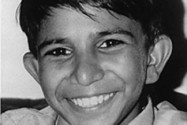
Iqbal Masih

Iqbal Masih Pakistani

In the mid 1990’s, a bright young youth made a global impact on Child Slavery. Iqbal Masih’s life was cut short just shy of 13 years but his powerful and eloquent speeches encouraged thousands of bonded laborers and child slaves to follow his example. He brought awareness and promoted education so that others could stand up for their rights and end the injustice in sweat shops around the world.
In 1983, Iqbal Masih was born in the poor community of Maridke outside of Lahore, Pakistan. His family was financially burdened, and his father Saif Masih decided to leave when Iqbal was young. When he was 4 years old, Iqbal’s mother Inayat needed funds to pay for his older brother’s wedding. Because the family was already in debt, she took out a loan in Iqbal’s name from a local businessman. However, when their debt went unpaid for two years she was forced to “loan” Iqbal as a laborer to pay off the debt.
Iqbal became one of the many child bonded laborers at the carpet factory. Despite working 14 hour days six days a week, Iqbal never earned enough money to pay off the debt, the cost of his “apprenticeship”, his tools, his food, fines for his mistakes or the rising interest. Though considered “debt bonded” he was really like millions of other children who were enslaved to their employers without hope of earning their freedom. Bonded labor, child labor and slave labor were all outlawed in Pakistan. However, it ran rampant due to a corrupt government and a police force that was living off the bribes of local business men.
“Children should have pens in their hands not tools” – Iqbal Masih
When Iqbal was 10 years old he made up his mind to escape. He had endured hot, cramped conditions, air filled with wool debris and countless whippings, beatings and cuttings whenever his work slowed. Though stunted by malnutrition and weakened by lack of exercise, Iqbal and a few of his friends escaped. He ran to the local police and explained how the employer was beating the children and keeping them as slaves. Unfortunately, the police officer was more willing to receive the “finder’s fee” for escaped slaves and returned Iqbal to Arshad, Iqbal’s owner. At the direction of the police officer, Iqbal was chained to the carpet machine and Arshad forced him back to work with a combination of physical abuse and starvation.
At the age of 12, Iqbal found away to attend a freedom day celebration held by the Brick Layer Unions. There, Iqbal heard about his rights as a laborer and that debt slavery was outlawed a few years before. In addition to the law against slavery, the government had cancelled all debts with businesses so they could in turn free those in debted to them. However, very few businesses actually released their slaves. When others were asked to speak before the crowd Iqbal volunteered. After hearing Iqbal’s story, one of the union leaders named Ehsan Ullah Khan organized an effort to free Iqbal from bondage. After much convincing about the illegality of his factory, Arshad freed Iqbal and some of the other child slaves.
The 12 year old Iqbal became a prominent leader of the anti-slave movement in Pakistan. He attended the Bonded Labour Liberation Front (BLLF) School for former child slaves and quickly completed a four year education in only two years. As his understanding of labor laws and human rights grew, he began using his energetic personality to speak on behalf of the enslaved workers. He would sneak into factories and begin asking the children about their experiences and if they were slaves. Even though this was an incredibly risky job, his malnourished body and stunted growth made him appear to be only around six years old so he was rarely perceived as a threat.
The BLLF sent him to speak at businesses and demonstrations all over Pakistan where bonded slavery was known to exist. With his powerful personality he educated the slave laborers and encouraged them to escape. Despite death threats from the organized business mafias that dominated the communities, Iqbal continued to speak against their practices with confidence and eloquence. It is estimated that over 3,000 Pakistani Children escaped their owners after visiting rallies, hearing speeches and attending meetings put on by the BLLF that year.
Because of his powerful story, Iqbal Masih began visiting other countries, raising awareness of child slaves and advocating for their freedom. Everywhere he went he inspired others (especially children) to become involved in the mission to end child slavery.
“I would like to do what Abraham Lincoln did… I would like to do it in Pakistan” -Iqbal Masih
After a visit to speak in the United States in December of 1994, Iqbal returned home to Pakistan. He would spend his last few months of life attending school in hopes of becoming a lawyer to fight on behalf of bonded laborers.
On Palm Sunday, (the 16th of April, 1995) Iqbal was assassinated after being shot in the back with a 12 gauge shotgun. He was riding home on a bicycle with some friends after attending mass earlier in the day.
The official police report claims that it was an accidental firing by a local farmer named Ashraf Hero. They claimed he confessed to the accident after hours of being tortured. Because Iqbal was a prominent enemy of the local Carpet Manufacturer Mafia, The Pakistani Human Rights Commission looked into the murder but quickly agreed with the police story. Despite the official report, most everyone believes that Iqbal Masih was assassinated by an agent of the Carpet Manufacturer Mafia who already held influence over the police and that Ashraf Hero was framed for the murder.
Iqbal Masih is our hero because he took courageous action on behalf of child slaves and bonded laborers in Pakistan and around the world. Despite his short life, his passionate and powerful message encouraged thousands to seek freedom and inspired many more around the world to join in his efforts. There are still an estimated 75,000 slaves in Pakistan Today. One organization, Free the Children was started by a Canadian youth named Craig Kielburger who had heard about Iqbal’s story and wanted to help make a difference.

Thursday, June 4, 2015

एक लड़की


आड़ी-टेडी रेखाएं जब
भविष्य ही गलत बताएं
तो हथेलियाँ छोड़ निकल लो
जैसे झेलम की बाढ़ में बहे हों,
और तुम पाकिस्तान पहुँच गए.

एक लड़की
जो स्पेशल का एहसास कराती है,
हर सुबह डांट के जगाती है
उससे मैं हर तीसरे दिन तुम्हारी बात करता हूँ
फिर भी दिल के किसी कोने से
मुझे चूमना चाहती है.

 रात के तीसरे पहर
यकायक से मेरी आँखें देख
लोरियाँ सुना चुप कराने के कोशिश करता चाँद
तुमसा नहीं, माँ सा लगता है.

'घाव रौशनी दिल तक पहुंचाने का रास्ता है',
रूमी ने लिखा था.
मैं कुरेदता रहा दिल तुम्हारा नाम ले,
रौशनी नहीं पहुंची ,
हाँ तुम धीरे धीरे रिसते ज़रूर हो,
एक दिन में ही सारा का सारा क्यों नहीं बह जाते?
बाढ़ का नाम ले
बहे थे जैसे.

मैं उस लड़की को
दिल में बसाना चाहता हूँ
जो मुझे चूमना चाहती है.
हटो, ज़रा जगह खाली करो.

पंजाबी विश्वविद्यालय, पटियाला का दलित प्रोफेसर मांग रहा राष्ट्रपति और पीएम से बैठने के लिए कुर्सी | रवीश कुमार


आज सुबह इस ट्वीट पर नज़र गई तो यकीन नहीं हुआ कि इस देश में किसी को जाति के नाम पर बैठने के लिए कुर्सी-टेबल नहीं दी जा रही है। जब कुएं से पानी नहीं पीने दिया जा रहा है, बारात में घोड़ी पर चढ़ने नहीं दिया जा रहा है तो इसमें क्या हैरत कि कोई असिस्टेंट प्रोफेसर को बैठने की जगह नहीं दे रहा होगा।
PU

मैं @ChoudhriAk नाम से बने हैंडल को स्क्रोल करते हुए हर ट्वीट को ध्यान से पढ़ने लगा। पता चला कि अरुण कुमार चौधरी ने प्रधानमंत्री, राष्ट्रपति, पंजाब के मुख्यमंत्री, विपक्ष के नेता और तमाम अख़बारों और चैनलों को ट्वीट किया है। अपने ट्वीट के साथ अनुसूचित जाति आयोग से लेकर मानवाधिकार आयोग तक की गई शिकायतों की चिट्ठी जोड़ी है। एक अदद कुर्सी के लिए किसी को इस अपमान से गुज़रना पड़े तो इंडिया इंडिया चिल्लाने वालों को एक बार सोचना चाहिए कि जब तक इस तरह के भेदभाव रहेंगे तब तक क्यों न इंडिया इंडिया चीखना बंद कर दिया जाए।
आख़िर अरुण ने चांद-तारे तो नहीं मांगे हैं। मैंने भी अरुण के ट्वीट को री-ट्वीट कर दिया। लिहाज़ा प्रतिक्रिया में कई नागरिकों का जवाब आया है कि ऐसा भी हो सकता है उन्हें यकीन नहीं हो रहा है। वे भी अरुण की इस पीड़ा के साझीदार बन गए। कुछ लोग ऐसी भी थे जो तुरंत आरक्षण के विरोध की बात करने लगे। ये वो लोग हैं जो अरुण कुमार चौधरी के साथ हो रहे बर्ताव को सही ठहरा रहे थे।
भटिंडा के अरुण कुमार से फोन पर बातचीत हुई और उनके अनुसार जो कहानी है वो इस तरह से है।
पंजाबी विश्वविद्यालय, पटियाला का भटिंडा में एक रीजनल सेंटर है। वहां की लौ फैकल्टी में 6 पद हैं। सहायक प्रोफेसर का एक पद अनुसूचित जाति के लिए आरक्षित है। 2011 में पहली बार कांट्रेक्ट पर हुआ। जब भी इंटरव्यू हुआ अरुण के अलावा कोई पहुंचा ही नहीं लिहाज़ा विश्वविद्यालय को उन्हें 2012 में भी बहाल करना पड़ा। स्थायी पद की वैकेंसी होने के बावजूद अरुण कुमार चौधरी कांट्रेक्ट पर रखे जाते रहे। अरुण कुमार ने इसी रीजनल सेंटर से पढ़ाई भी की है। जब अरुण कुमार चौधरी ने आवाज़ उठानी शुरू कि तो उन्हें लेकर विभाग के पुराने शिक्षकों को परेशानी होने लगी। ”टीचरों के काम के बंटवारे के लिए होने वाली बैठक में मुझे नहीं बुलाया जाता था। मुझे टीचिंग से अलग काम दिया जाता था कि आप दोपहर दो बजे क्लास ख़त्म होने के बाद शाम पांच बजे तक कॉलेज में रुको। जबकि सारे टीचर घर चले जाते थे। मुझे छुट्टी के दिन भी सेंटर में बुलाया जाता था”, फोन पर बात करते हुए अरुण कुमार न तो भावुक थे न उत्तेजित। बेहद संयमित और तार्किक तरीके से अपनी बात बता रहे थे।
उन्होंने कहा कि मेरे ख़िलाफ़ उनकी नाराज़गी तब और बढ़ गई जब पंजाबी विश्वविद्यालय ने रीजनल सेंटर से राष्ट्रीय स्तर का सेमिनार कराने के लिए कहा। विभाग के प्रोफसरान नहीं चाहते थे इसलिए टालने के लिए यह जिम्मा मुझे दे दिया। मैंने उस सेमिनार को कामयाब बना दिया। तब से उन्हें लगा कि अरुण तो दबने वाला नहीं है। मैं छात्रों को लगन से पढ़ा भी रहा था। तभी अचानक मुझे पता चलता है कि सेंटर के 35 लोगों ने मेरे ख़िलाफ़ लिखित शिकायत की है। दो महीने के कार्यकाल में मैंने इनमें से कई लोगों का चेहरा तक नहीं देखा था। मेरे विभाग की एक महिला टीचर ने आरोप लगाया कि मैंने उन्हें फोन कर अपशब्दों का प्रयोग किया। बाद में चपरासी से लेकर क्लर्क तक ने उस मेमोरेंडम पर दस्तख़त किये कि मैं अनुशासन तोड़ता हूं और व्यवहार ठीक नहीं है। विश्वविद्यालय ने इसकी जांच के लिए तीन सदस्यों की एक कमेटी बनाई जिसके सभी सदस्य रीजनल सेंटर के ही थे और उनमें से एक तो शिकायतकर्ता भी था। मेरा सामाजिक बहिष्कार भी किया गया।
कमेटी की रिपोर्ट के बाद मुझे भटिंडा से ढाई सौ किलोमीटर दूर मांसा ज़िले के जुनीर कस्बे में भेज दिया गया। वहां कानून का कोई विभाग ही नहीं है। मुझे अंग्रेज़ी पढ़ाने के लिए बाध्य किया गया। ढाई साल तक मैंने वहां अंग्रेज़ी पढ़ाई जबकि मैं एलएलबी, एलएलएम हूं। मेरा तबादला नहीं हुआ, डेपुडेशन के नाम पर भेजा गया ताकि सवाल न उठे कि सौ लोग कांट्रेक्ट पर लिये गए हैं, उनमें से एक का तबादला क्यों हो रहा है। मैंने 20 मई 2015 को अप्रैल को वाइस चांसलर को ई-मेल किया कि मुझे प्रताड़ित किया जा रहा है और मैं तनाव में आकर आत्महत्या कर सकता हूं। आप इसके ज़िम्मेदार होंगे। उस समय मोगा बस कांड को लेकर हंगामा हो रहा था, वाइस चांसलर को लगा कि इसे लेकर कोई और बवाल न हो जाए इसलिए मेरा तबादला वापस रीजनल सेंटर में कर दिया गया। मुझ पर दबाव डाला जाने लगा कि मैं अनुसूचित जाति आयोग से अपनी शिकायतें वापस ले लूं।
”11 मई को मेरा तबादला हो गया। 13 मई को ज्वाइन करने के बाद से लेकर आज तक मुझे विभाग के स्टाफ रूम में बैठने के लिए कुर्सी मेज़ नहीं दी गई है जबकि डेपुटेशन पर जाने से पहले मैं उसी कमरे में दो साल तक बैठता रहा। वहां इस वक्त पांच मेज़ और पांच कुर्सियां हैं। हम छह लोग हैं। हममें से एक टीचर इंचार्ज होने के कारण अलग कमरे में बैठते हैं इसलिए एक मेज़ ख़ाली है। फिर भी मुझे इतने दिनों तक बैठने नहीं दिया गया। मैं लाइब्रेरी में बैठ रहा हूं।”
अरुण कुमार चौधरी की दास्तान यहीं नहीं रुकती है। बताते हैं कि अनुसूचित जाति आयोग ने जब रजिस्ट्रार को लिखित नोटिस भेजा कि आप छात्रों और टीचर के साथ भेदभाव करते हैं, यह ठीक नहीं है तब जाकर मुझे जनवरी फरवरी की सैलरी मिली। आयोग ने अब दिलचस्पी लेनी छोड़ दी है तो मुझे मार्च से लेकर अब तक सैलरी भी नहीं दी जा रही है। यही नहीं विश्वविद्यालय ने अरुण कुमार चौधरी को नोटिस भेजा है कि आप कालेज से ग़ैर हाज़िर रहे हैं। अरुण कुमार का कहना है कि विश्वविद्यालय मे हाज़िरी लगाने की कोई प्रक्रिया ही नहीं है। मैंने क्लास लिया है और अब भी जब इम्तहान चल रहे हैं तो मुझे काम सौंपा गया है। मैं जब भी ड्यूटी होती है, सेंटर जाता हूं लेकिन हाज़िरी लगाने का कोई सिस्टम ही नहीं है।
अरुण तमाम आयोगों और प्रमुखों से लिखित शिकायत कर चुके हैं। अनुसूचित जाति आयोग ने एस एस पी पटियाला को तमाम पक्षों से बात कर जांच के आदेश दिये थे। आज तक उस पर कोई कार्रवाई नहीं हुई है। “मैंने एस एस पी भटिंडा को भी लिखित शिकायत की है कि डीन ने फोन पर धमकी दी है कि मैं अनुसूचित आयोग से अपनी शिकायत वापस ले लूं।”
ज़रूर विश्वविद्यालय का भी अपना पक्ष होगा। हम विश्वविद्यालय का पक्ष भी लेने की कोशिश कर रहे हैं। सारी बातें कितनी है और नहीं है इस पर दो राय हो सकती है मगर अरुण की कहानी की कई बातों से साफ हो जाता है कि उन्हें परेशान ही नहीं अपमानित भी किया गया है।
तमाम आयोगों के पीछे भागते रहने के बाद भी अरुण कुमार चौधरी की यातना कम नहीं हुई है। एक विश्वविद्यालय में यह सब हो रहा है। क्या वहां किसी टीचर को ही पहल कर इसका हल नहीं ढूंढना चाहिए था। आयोग को उन 35 लोगों के ख़िलाफ़ भी जांच करनी चाहिए जिन्होंने अरुण कुमार चौधरी के ख़िलाफ़ शिकायत किये हैं। उस कमेटी की रिपोर्ट भी निकालनी चाहिए जिसने अरुण कुमार को अंग्रेज़ी पढ़ाने के लिए ढाई सौ किलोमीटर दूर भेजा। किसी को ट्विटर पर आकर अपनी जाति का नाम लेकर कहना पड़े कि हमारी मदद कीजिए मुझे बैठने के लिए कुर्सी नहीं दी जा रही है, कम से कम हम सभी को शर्म तो आनी ही चाहिए।

Originally published on Ravish Kumar's blog Qasba

भले ही चार गुनाहगार छूट जाये, लेकिन एक भी ईमानदार सलाखों के पीछे नहीं होगा.

तुम्हारी अदालत, मेरा सामान और वकील का ईमान
दफे दफे सब बिक गए
देश की ज्यूडिशियरी ने अपने उसूलों में
सबसे ऊपर लिखा-
भले ही चार गुनाहगार छूट जाये,
लेकिन एक भी ईमानदार सलाखों के पीछे नहीं होगा.

बुधुआ ने पेट के खातिर दो जुर्म अपने नाम किये,
घर पे उसके दो रोटी पहुंची
और जेल में उसे भर पेट खाना मिलने लगा.

शर्माजी को भाई की हत्या में न्याय मिला,
पूरे पचपन साल बाद.
हत्यारे प्राकृतिक मौत मर चुके थे,
शर्माजी भी चुक चुके थे.

...और अब्दुल जेल में बंद है
सत्ताईस सालों से.
कोई जमानत ले लिए पहले मिला नहीं
बाद में सिस्टम उसे बंद कर भूल गया.

हत्या के मामले में एक नेता,
हिट एंड रन में एक अभिनेता,
एक भ्रष्ट जज को छोड़ते
देश की ज्यूडिशियरी ने अपने उसूलों में
सबसे ऊपर लिखा-
'भले ही चार गुनाहगार छूट जाये,
लेकिन एक भी ईमानदार सलाखों के पीछे नहीं होगा.'

Wednesday, June 3, 2015

Ideas changing minds, not money changing hands | Rathin Roy

The (AIIB) has got off to a wonderful start with the commentariat. Its membership now includes all major Asian economies plus a raft of European economies. The United States has also done its bit to talk up the AIIB, by voicing its displeasure at the alacrity with which the UK and Germany have joined the bank. In contrast, the BRICS-led (NDB) is being viewed as a sideshow, even a non-starter.

This judgement is not without basis. The has a at this time. It has commenced recruitment and organisation-building. The appears to be moving very slowly in comparison. It has taken almost a year to announce its president. There is little public discussion on what purpose the NDB will serve, what it will do, and how it will lend. There is, therefore, currently much greater clarity about the AIIB than the NDB. But to conclude from this that the NDB is already an institutional irrelevance, or that its importance is inversely proportional to the AIIB would be premature, for four reasons.

First, the AIIB will work in Asia and the NDB globally. There is no de facto or de jure division of labour between the two banks. A successful NDB will be expected to deliver heft and voice to developing country positions on global development finance issues like quantitative easing, the restrictive impact of Basel-III prudential norms, sustainable finance, and the reform of the international financial architecture. An Asia-focused, sectoral bank like the AIIB cannot be expected to play this role.
ADVERTISING

Second, the NDB, unlike the AIIB, can lend for things other than infrastructure. While this is a key area for developing countries due to the ubiquitous market failures that generate a huge infrastructure finance gap, the NDB can also address other important development priorities including urbanisation, agriculture and rural development, and investments in poverty eradication.

Therefore, the third difference: the NDB is a development finance institution and its business philosophy must be grounded in the political economy of development, not finance. The raison d'etre for its existence is to change the terms of discourse on development finance and to offer alternative ways to finance development challenges. This requires a rejection of the prudential "business as usual" approach and the cumbersome regulatory, monitoring, and oversight practices that traditional development bankers are comfortable with. To do this, NDB President must take the words "new" and "development" in the NDB as, if not more, seriously as the word "Bank".

How is this to be done? In the foreseeable future, the NDB will not manage to secure either the quantum of resources available to the group or the attractive AAA terms on which that group secures its resources. This gap cannot be closed by even the most concerted focus on prudential credibility and adoption of business processes that emulate those of existing western institutions - the NDB will then end up as a sort of third-rate World Bank staffed by nationals. This is where the Indian presidency of the NDB comes into play. If there is one thing that is unique in India's "offer" to the world, it is an approach to development in which "ideas changing minds" is as important as "money changing hands" Thus, the fourth difference: Knowledge, the thrust area which should be at the cutting edge of the NDB's distinctiveness from the AIIB and other banks.

The NDB will need to establish its distinctiveness on all the above counts, if it is to succeed. The delay in setting it up means that the NDB has already lost an opportunity to lend its distinctive voice on the important discussions on financing for development, and on climate finance, that are taking place this year. But these debates will continue in the future and the scope for fresh thinking and constructive initiatives from the NDB will continue to be considerable. The challenge is formidable but the opportunity equally historic.

Mr Kamath is a banker with a stellar record in creating successful financial institutions. He will not be daunted by the prudential and regulatory concerns that have preoccupied the caretaker BRICS Finance Ministry bureaucrats to date. The NDB will have to raise its game and become a knowledge based development finance institution from the very start of his tenure. To do this, the president and his team will need to pull the bank into the world of knowledge and ideas, drawing on the considerable pool of distinctive talent (like Mr Kamath himself) that exists within the BRICS and other developing countries, not just bureaucrats from the BRICS and recycled hires from the (intellectually) Western-dominated financial institutions. The NDB should also give top priority to engaging with knowledge institutions in the BRICS, and in developing countries, in the process of shaping the bank. Closed conversations within the corridors of power will be the NDB's kiss of death. It is to be hoped that the BRICS governments will understand this, refrain from interference and micromanagement, and allow the bank to develop into a knowledge-based development finance institution. If this happens then the NDB will, in the long run, be a far more significant creation than the AIIB.

The writer is director, National Institute of Public Finance and Policy

Source: http://www.business-standard.com/article/opinion/rathin-roy-how-brics-bank-can-win-115060101802_1.html

Asian Infrastructure Investment Bank AIIB) and BRICS-led New Development Bank (NDB)

Do you think post the creation of China led Asian  Infrastructure Investment Bank AIIB), the BRICS-led New Development Bank (NDB) has become irrelevant? Critically analyse.


New development bank as the name suggest is having a different and new approach towards development of members as well as non member countries.
It works on two principles
1)sharing of knowledge, experience, platform to speak for the benefit of economically backward and developing nations and
2)of course development finance along with offering alternative ways to finance development.
NDB came into existence due to the problems within the existing institutions like WORLD BANK and IMF. These two institutes need reform within their ranks and approach so that they may not remain oligopoly of western developed countries.
China too has problems with these two institution so it came with its own institution named AIIB.
difference between AIIB and NDB
1) AIIB focuses only on infrastructure finance while NDB will also act as a platform for developing and weaker countries to represent their grievance at the global level.
2) AIIB is an ASIA centric institution while NDB is having a global character. NDB will also give finance and support to non member countries.
3) AIIB has broader base than NDB while in terms of services provided by these banks NDB has larger base.
4) AIIB is a finance based institution while NDB is a ideas sharing finance institution which makes it more attractive.
There is only one problem that NDB can face due to AIIB is that AIIB has a very large resource base and also its establishment is going at a much faster pace than NDB.
NDB to harness all these advantages over AIIB, needs to fast track its establishment process and start working as soon as possible. NDB can prove to be a boon for developing and backward economies as they will be getting the proper solution for their problems because of the structure and diverse human resource base at its administrative level. All these things prove that AIIB's establishment will not reduce the importance of NDB.

Monday, June 1, 2015

धुंआ


रात धुंआ है
दिन कुहरा घना है
ये कुहरा नहीं, पोल्लुशन की कालिमा है
चिमनियों से निकल रहा धुंआ है
नीचे मजदूर जल रहा
कुपोषित जिसका बेटा, कल रात मर गया है.

एक औरत जो कल पकड़ी गई होटल में
उसका पति था चार दिन से कोमा में.
जिसने पी थी देसी शराब ऊँचे ठेके से
और बेटी नाबालिग चुराई गई धोखे से.

आदमी के अच्छे दिन का इश्तेहार अख़बार में
मर गया पत्रकार उसका सच ढूंढते बाज़ार में
कालिख पुती शहर में, कालिख पुती गांव में
आदमी के अच्छे दिन का इश्तेहार अख़बार में.

चार मजदूर जिनके घर का पता नहीं,
जांच में कोई आईडी मिला नहीं
मर गए मिल में दब के मशीनों से
कंपनसेशन उनको कभी मिला नहीं.

तू क्या पहनेगी बताऊंगा मैं
किस पब में कब जाएगी बतलाऊंगा मैं
तेरी कमर कितनी खुली रहे
इसका नाप मैं लूंगा
तेरे इश्क़ का सारा हिसाब मैं लूंगा.
मुझको ही चुन नहीं तो
तेरा लव 'लव जिहाद' है.
और इश्क़ करना ही पाप है.

जल गई मस्जिद, जल गया पादरी चर्च में, फिर
आदमी के अच्छे दिन का इश्तेहार अख़बार में.

आ गई ज़मीन डैम की चपेट में,
घर बार उजड़े एक ही रात में.
न कुछ पैसा मिला, न कहीं बसर हुई
आवाज़ उठाई तो लाश आई खाट में.

चुप कर तू, ये धुंआ ओस है
खुशनुमा सुबह और सब में जोश है
देख दिन को जैसे मैं देखता हूँ उसे
अच्छे दिन दिखेंगे आ ज़रा होश में.

नहीं तो, छोटा कॉलम होगा
तेरी लाश के बारे में कल के अख़बार में.
जिसके नीचे छपा होगा बड़ा सा
आदमी के अच्छे दिन का इश्तेहार अख़बार में.

Sunday, May 31, 2015

बालिग


तुम न कहती थीं
बड़ा कब होऊंगा मैं
वही हरकतें बचपन से अब तक.
भूल जाता हूँ तुम्हें, फुटबॉल देख
और बारिश में भीगना चाहता हूँ तर-बतर,
गुनगुनाता हूँ अपना लिखा कुछ भी, बेसुरे.
और कपडे यूँ लपेटे
तुम्हारे संग किसी भी पार्टी में पहुँच जाता हूँ.

बेहद सलीका आ गया है,
हंसने की जगह मुस्कुरा के रह जाता हूँ
और रस्ते फुटबॉल नहीं देखता,
चुपचाप गुजर जाता हूँ,
गुजर जाती है बारिश.

तुम्हारे जाने के बाद लगता है
बालिग हो गया हूँ मैं,
समझ आ गई है.

डायरी - शहर - इश्क़ - ज़हर


कटे उलझे  से  लफ्ज़  डायरी  के
जैसे  कुछ  लिखना  भी  चाहते  हों
मिटाना  भी.

याद  है  कोई
जो  बरबस  आ  जाती  है
और  मैं उसे मिटाना भी चाहता हूँ.

--***--

तुम आके तिनके से मुझे निकाल लेना,
ये शहर कुआं है कोई
जिसमें गिर के मैं डूब गया हूँ.

--***--


बचपन से ख्वाहिश थी कोई
किसी परी से इश्क़ होगा.

तुमसे हुआ
और देखो, तुम्हारे पर उग आये,
सर पे मुकुट सज गया.

...और एक दिन तुम परी सा उड़ गए,
अपने सफ़ेद मुलायम पंखों से.

सपना था शायद कोई,
शब के जाते वो भी गया.

--***--

ज़हर था कोई जो खाया था
तुमने दुश्मनी निभाने जो दिया था.
चलते-फिरते कोमा में हूँ
बोलता हूँ, सुनता हूँ, समझता नहीं.

क्या नाम कहा बताया था
तुमने उस ज़हर का? - इश्क़.
बड़ा अजीब ज़हर है!

Wednesday, May 27, 2015

Untitled Post


तुम्हारे बिन बहुत कुछ अधूरा सा लगता है.. जैसे कुछ बाकि सा है अभी तक... जैसे रात है, पूरा चाँद है लेकिन दिल उस दूर के छोटे तारे को ढूंढ रहा है जो पास के पूरे चाँद में गुम हो जाता है. लोग रौशनी ढूँढ़ते हैं, मैं चांदनी में अमावस ढूंढता हूँ. दिमाग से मैंने चांदनी मांगी थी, दिल को मगर अमावस में दिखता मद्धम तारा चाहिए. वो तारा जो अब ओझल है.

मैंने तुम्हें पूरी शिद्दत से चाहा था... और यकीं करो, दिमाग से पूरी शिद्दत के साथ ठुकराया भी था.

वजहें मत पूछना.. तुम्हें सारी पता हैं.